30th Oct 2026
Menopause Is More Than Hot Flushes

Understanding your changing body and supporting what it needs now
By Aleksandra Porebska, Nutrition & Health Coach and co-founder of Sunflower Liposomes
I don't particularly like being labelled. Being described as “perimenopausal” or “in menopause” can feel as though one word is suddenly supposed to explain who I am, how I feel and what I can expect from life.
I would rather understand what my body needs than feel defined by a stage it is going through.
But understanding matters. We can choose how we talk about ourselves while recognising that our bodies change. Knowing more about those changes can help us respond with care, make informed decisions and ask for support when we need it.
As a health coach, that is the conversation I want to have with you.
Good nutrition, appropriate training, rest and support can help us build a stronger foundation through this transition. They cannot promise an easy experience for every woman, but they give us practical ways to look after ourselves.
October is Menopause Awareness Month, but menopause is a conversation for the whole year. This month gives us a useful reminder to understand what can change, recognise what deserves our attention and think about how we can support ourselves every day.
First, what is actually changing?
Perimenopause is the transition leading up to menopause. Hormone levels fluctuate, periods may change and symptoms can appear while you are still menstruating. Menopause is usually identified after 12 months without a period, when there is no other explanation. Hormonal contraception and some treatments can make this harder to recognise. The time afterwards is called postmenopause. [1, 2]
Perimenopause often begins in the 40s, but some women notice changes in their late 30s. It can begin years before the final period. The Menopause Society commonly describes a duration of around four to eight years, although some women experience a longer transition. There is no single timetable that applies to everyone. [20, 21]
These words describe stages. They do not tell us how any individual woman will feel.
Some women notice relatively little disruption. Others experience changes that affect their sleep, relationships, confidence or ability to work. A sudden menopause following treatment or surgery can bring a different experience again. [1]
You do not have to compare yourself with someone who seems to be finding it easier.
Menopause can show up beyond hot flushes
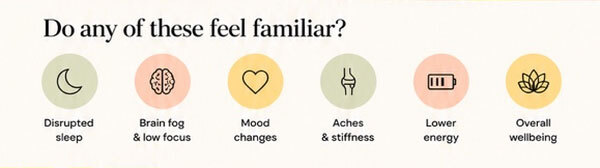
You might notice disrupted sleep, changes in mood, problems concentrating, unexpected joint aches, vaginal dryness or changes in your periods. Some women experience several of these together. Others do not have hot flushes at all. [3]
Perhaps the hardest part is not an individual symptom. It is the sense that familiar routines no longer seem to work in quite the same way.
That is a reason to get curious about your health, rather than assume you simply need to try harder.
It is also important not to attribute every change to menopause. Persistent tiredness, new pain or changes in concentration deserve attention in their own right.
Awareness: start by noticing, without judging
As a health coach, I place a great deal of importance on awareness. Before deciding what to change, I want us to notice what is happening.
How have you been sleeping? What happens to your energy through the day? Has your cycle changed? How do you feel after exercise? What is taking more effort than it used to?
You do not need to monitor every detail or turn your wellbeing into another demanding project. A few notes can help you recognise patterns and explain your experience when you ask for support.
Awareness gives you a starting point. It can help you replace “What is wrong with me?” with “What do I need right now?”
Mindset: give yourself permission to change the pace
The way we speak to ourselves matters.
If you are comparing yourself with how you felt ten years ago, or expecting yourself to keep carrying everything without pause, this may be a moment to reconsider those expectations.
Perhaps you need more recovery between training sessions. Perhaps an evening that once felt manageable now leaves you depleted. Perhaps you need clearer boundaries around work or more honest conversations at home.
Slowing down where you need to can be a deliberate way to care for yourself. It does not mean giving up your ambitions, your strength or the activities you love.
Working on mindset means making room for a kinder and more useful response to change. Your symptoms are real. They are not a failure of positive thinking, and you do not have to think your way out of them.
I would like you to ask: what could I adjust so that my life supports my health a little better?
Sleep: give recovery a place in your day
When your nights become unsettled, everything can feel more demanding. Your patience, motivation and ability to concentrate may all feel stretched.
Sleep difficulties during this transition can have several contributors, including night sweats, stress and other sleep problems. Waking at a particular time does not, by itself, establish a cortisol problem or a blood sugar problem.
The Menopause Health Coach discusses the relationship between sleep, stress and movement. It is a useful reminder to look at the whole day, rather than search only for something to take at bedtime. [4]
My coaching starting point would be to choose a few manageable habits: a reasonably consistent sleep schedule, a cool bedroom, some daylight and movement during the day, and a quieter transition into the evening. Notice whether late caffeine or alcohol makes your nights worse. [5]
You could begin with one question: what am I carrying into bedtime that could wait until tomorrow?
That might mean leaving work messages until morning, preparing something earlier or asking someone else to take over an evening task.
If sleep remains persistently poor, reach out for qualified support. Insomnia and disruptive night sweats do not have to become something you simply tolerate.
Energy: nourishment before another push
When energy is low, it is tempting to respond with more coffee, less food and a determination to keep going.
I would encourage a different starting point: look at whether you are eating enough, recovering enough and giving yourself meals you can rely on.
A balanced diet includes protein foods, higher fibre carbohydrates, vegetables or fruit, and appropriate sources of fat. There is room for foods you enjoy, too. [6]
For a practical meal, that could mean eggs on wholegrain toast with tomatoes, lentil soup with bread, or fish with potatoes and vegetables. You do not need a complicated recipe for a meal to be useful.
Try noticing your own patterns. Do you regularly miss lunch? Does breakfast leave you hungry an hour later? Do you arrive at dinner so hungry that choosing what to eat becomes difficult?
These are useful observations for building a routine that supports you.
Persistent exhaustion should not automatically be blamed on hormones. Heavy periods can contribute to iron deficiency anaemia, which may cause tiredness, breathlessness and palpitations. Assessment matters before reaching for iron supplements. [7]
Mood and concentration: make room for support
Mood changes, anxiety and difficulties with memory or concentration can occur during perimenopause and menopause. [3]
If this is happening to you, you deserve understanding rather than criticism.
From a coaching perspective, I would ask what is making your day harder than it needs to be. Are you trying to remember everything without writing it down? Are you switching between tasks constantly? Is there any time in the day when you are not responding to someone else's needs?
Small adjustments can make daily life more manageable. Keep a single place for reminders. Give yourself a quieter window for demanding work. Talk to someone close to you about what you are noticing.
Rest, movement and relaxing activities can also be part of supporting emotional wellbeing. Talking therapies, including CBT, may help with menopause related low mood, anxiety and sleep difficulties. [5, 8]
These suggestions do not mean distress is something you should solve alone. If your mood or concentration is affecting daily life, seek appropriate assessment and support.
Bone health: look beyond how you feel today
Bone health deserves attention even when you feel well. Falling oestrogen after menopause is associated with loss of bone density and a greater risk of osteoporosis and fractures. [1]
Nutrition and exercise work together here. Calcium rich foods, adequate vitamin D and suitable exercise all have a role. Examples of calcium sources include dairy foods, calcium fortified alternatives and some other foods such as calcium set tofu. Check labels because products vary. [6, 9]
Vitamin D helps the body absorb calcium and is needed for normal muscle function. The amount of supplementation that is appropriate depends on factors including age, circumstances and local guidance. More is not automatically better. [10]
If you have a history of fractures or other osteoporosis risk factors, ask whether you need an individual bone health assessment.
Training: build strength you can use
I would love more women to see exercise as an investment in what their bodies can do.
Carrying shopping, climbing stairs, getting up from the floor and feeling steady on your feet are worthwhile reasons to build strength.
The Menopause Health Coach places particular emphasis on resistance training and gradual progression. That fits well with broader guidance encouraging both aerobic activity and muscle strengthening. [11, 12]
For adults, WHO recommends 150 to 300 minutes of moderate aerobic activity a week, or an equivalent amount of vigorous activity, alongside muscle strengthening on at least two days. These are goals to work towards, not a test you have failed if you are starting with less. Activity should reflect your health and ability. [12]
Strength work can involve resistance bands, suitable weights or exercises using your body weight. Weight bearing activities such as walking and dancing also have a place in looking after bones. [9]
Swimming can be a lovely way to stay active, but it does not provide the same weight bearing stimulus. A varied routine can help you cover different needs.
Begin with something achievable and get guidance if you are unsure about technique, have an injury or have osteoporosis. A plan you can recover from and repeat is more useful than an occasional session that leaves you unable to continue.
Which nutrients deserve attention?
There is no single menopause nutrient. Several nutrients support normal body functions that matter throughout life, including during this transition.
Protein
Protein provides material for growth and repair. Alongside strength training, adequate protein helps support muscle. Include a variety of sources that suit your diet, such as eggs, fish, dairy, tofu, beans or lentils. [6, 13]
Think about your ordinary meals before assuming you need another product. Where could you add a useful protein source to a meal you already enjoy?
Fibre
Fibre supports bowel function and belongs in a varied diet. Vegetables, fruit, oats, pulses and wholegrains are useful sources. UK guidance advises adults to aim for around 30 g daily. Increase gradually if you currently eat little fibre, particularly if bloating is an issue. [13]
Fibre is one example of why a supplement routine cannot replace everyday food.
Vitamin D and calcium
These deserve particular attention for bones. I encourage attention to calcium through food and appropriate vitamin D intake. Your overall diet and individual circumstances deserve consideration. Review vitamin D across all the products you take so that you avoid unintentionally doubling up. [9, 10]
Magnesium
Magnesium is involved in normal muscle and nerve function and many biochemical processes. Food sources include nuts, seeds, legumes, wholegrains and leafy vegetables. [14]
Its importance does not mean every sleep problem or muscle ache reflects magnesium deficiency. A supplement should address a considered nutritional need, with attention to suitability and medicines.
B vitamins, including B12
B vitamins have different roles. B12 helps maintain healthy nerve and blood cells, and deficiency can cause tiredness and neurological symptoms. People eating a vegan diet need a reliable source through fortified foods or supplements. Absorption difficulties can also matter. [15]
If you suspect a deficiency, seek assessment. Taking additional B12 when your intake and status are adequate is not a guaranteed answer to fatigue or brain fog.
Vitamin C and vitamin K
Vitamin C is needed for collagen production and helps with absorption of iron from plant foods. Fruit and vegetables are valuable sources. [16]
Vitamin K is involved in normal blood clotting and bone metabolism. Anyone taking warfarin or similar medicines needs professional advice before changing vitamin K supplementation. [17]
Neither nutrient should be presented as a treatment for menopausal symptoms.
You do not have to navigate this alone
There can be comfort in speaking with women who recognise parts of your experience. A local group, a trusted online community or a conversation with a friend may give you space to feel heard.
Choose spaces that welcome different experiences and respect individual choices. You deserve a community that helps you feel supported, rather than one that leaves you frightened or under pressure to follow the same approach as everyone else.
A community can offer connection. A qualified professional can help with individual assessment and treatment. A health coach can support awareness, realistic goals and the practical work of building habits. These forms of support can sit alongside one another.
You do not need to wait until you are overwhelmed before reaching out.
Where do supplements fit?
At Sunflower Liposomes, we care deeply about ingredients and thoughtful formulation. We make our products in small batches in Ireland, using premium sunflower lecithin.
Our B Complex with Vitamin C, D3 + K2 MK7 + Zinc with Vitamin C, and Collagen F & Magnesium with Vitamin C bring together ingredients that may be relevant when reviewing your nutritional intake.
Why these formulas?
B Complex with Vitamin C: B vitamins play different roles in normal energy metabolism, nervous system function and blood cell formation. This makes nutritional adequacy relevant when reviewing a diet, while persistent fatigue or brain fog still needs attention beyond choosing a supplement. [15, 22]
D3 + K2 MK7 + Zinc with Vitamin C: Vitamin D supports calcium absorption and normal muscle function; vitamin K is involved in bone metabolism. These are reasons to consider the ingredients when reviewing bone nutrition, alongside diet and training. This formula is not a treatment for osteoporosis, and vitamin K requires particular care with warfarin. [10, 17]
Collagen F & Magnesium with Vitamin C: Magnesium is involved in normal muscle and nerve function, while vitamin C is needed for the body's own collagen production. The formula also contains collagen. It does not replace complete dietary protein or strength training, and should not be expected to treat joint pain or sleep difficulties. [14, 16]
These ingredients connect with the nutritional topics in this guide. That does not mean every woman needs all three formulas. Choosing well starts with your needs, rather than a list of symptoms beside a bottle.
Look at the ingredients, the amount per serving and what you already take. Combining formulas can duplicate nutrients. For example, our formulas contain vitamin C, so an additional vitamin C product is not automatically needed.
Supplements do not replace a varied diet, appropriate treatment or the benefits of physical activity. They should not be expected to restore declining oestrogen, cure insomnia or treat depression. Check suitability if you take medicines, have a medical condition or are already using other supplements. [18]
Explore our Menopause Renew & Thrive Bundle, or reply if you would like help understanding our ingredients and labels.
Support can include more than lifestyle changes
Food, movement and rest matter. They are also part of a wider picture.
HRT, non hormonal treatments, talking therapies and treatments for vaginal symptoms may be options, depending on your circumstances. A qualified healthcare professional can help you weigh these choices. [8]
There is no virtue in struggling without support, and needing treatment does not mean your diet or determination has failed.
Seek assessment for troublesome symptoms, particularly if changes occur before 45. Bleeding after menopause needs medical attention even if it happens only once or is only spotting. [2, 3]
My role as a health coach is to help you turn useful information into habits that fit your life, alongside appropriate healthcare.

A practical place to begin this week
You do not need to change your entire routine tomorrow.
Choose one meal you could make more nourishing. Choose one realistic opportunity for movement. Choose one evening habit that gives rest a little more space.
Keep brief notes about what you notice, including sleep, energy, periods and anything that is affecting your day. These notes can help you have a more useful conversation when seeking support.
At the end of the week, ask yourself: what helped, what was difficult, and what would make the next step easier?
That is the kind of progress I believe in. Practical, personal and responsive to the body you have today.
You are more than a label
You can learn about menopause without making it your identity. You can be aware of hormonal changes without assuming they explain everything. You can take your health seriously while remaining hopeful about what comes next.
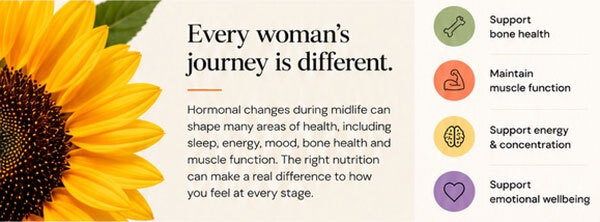
Appropriate nutrition, training, rest and individual support can give us useful ways to care for ourselves through this stage. Every woman's experience is different, and each deserves to be heard.
If this guide makes you think of a woman in your life, please share it with her. Sometimes a simple “I thought of you” can open a conversation she has been needing.
With love,
Aleksandra
Nutrition & Health Coach
This guide provides general education and does not replace individual medical or nutritional advice.
Sources and further reading
- WHO: Menopause
- NHS: What are menopause and perimenopause?
- HSE: Menopause symptoms
- The Menopause Health Coach: Sleep and stress
- NHS: Things you can do
- NHS: Eating a balanced diet
- NHS: Iron deficiency anaemia
- HSE: Menopause treatment
- HSE: Things you can do
- NIH ODS: Vitamin D
- The Menopause Health Coach: Strength training
- WHO: Physical activity
- Manchester University NHS Foundation Trust: Exercise, nutrition and lifestyle in menopause
- NIH ODS: Magnesium
- NIH ODS: Vitamin B12
- NIH ODS: Vitamin C
- NIH ODS: Vitamin K
- NIH ODS: Dietary supplements, what you need to know
- The Menopause Health Coach: Resources
- The Menopause Society: Perimenopause timing
- ACOG: The menopause years
- NHS: B vitamins and folic acid